
Improving Housing Opportunities
Online | Online
One of the most pressing issues for individuals with intellectual disabilities and/or those on the autism spectrum is finding access to safe, affordable housing once they are adults. Some can live independently and only require occasional support, while others will need to live in a setting matching higher support needs.
There are multiple considerations to take into account: the individual’s wishes, as well as finances, government policy, ideal setting, and end-of-life care. This panel of experts will share their experiences and perspectives on navigating this complex issue so that individuals can thrive.
Register Here
About the Speakers
Pari Johnston
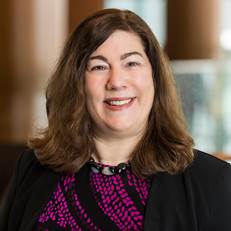
Pari Johnston is the Vice-President, Policy and Public Affairs at Genome Canada, providing strategic leadership to promoting the benefits of genomics research and innovation with Parliamentarians, federal policymakers and community partners. As a member of the executive team, Pari plays a key role in driving Genome Canada’s mission to marshal Canada’s genomics assets to solve for major challenges in health, the environment, agriculture and the economy. She is a strong advocate for coalition-building to ensure broad reach and impact across sectors and borders.
Pari is recognized as a Canadian higher education and research leader, having held increasingly senior positions at Universities Canada for 20 years, most recently serving as Vice-President, Policy and Public Affairs, providing strategic direction to the organization’s federal advocacy agenda.
Pari was a founding Board member of The Conversation Canada/La Conversation Canada, the national digital media organization for academic journalism. She also served on the Advisory Committee for Equity, Diversity and Inclusion at the Canada Research Chairs Program.
She is a passionate community volunteer, driving several initiatives to improve mental health and housing for Autistic youth and adults, including as founder of the Housing Through an Autism Lens solutions lab, funded by the Canadian Mortgage and Housing Program. She sat on the Family Advisory Council at the Royal Ottawa Mental Health Centre, and now serves on the Board of Trustees. She is a member of the National Advisory Group to the Centre for Addictions and Mental Health and York University for their project to create the first Canadian literacy guide for Autism and mental health, to be out in 2021.
Glenn Rampton
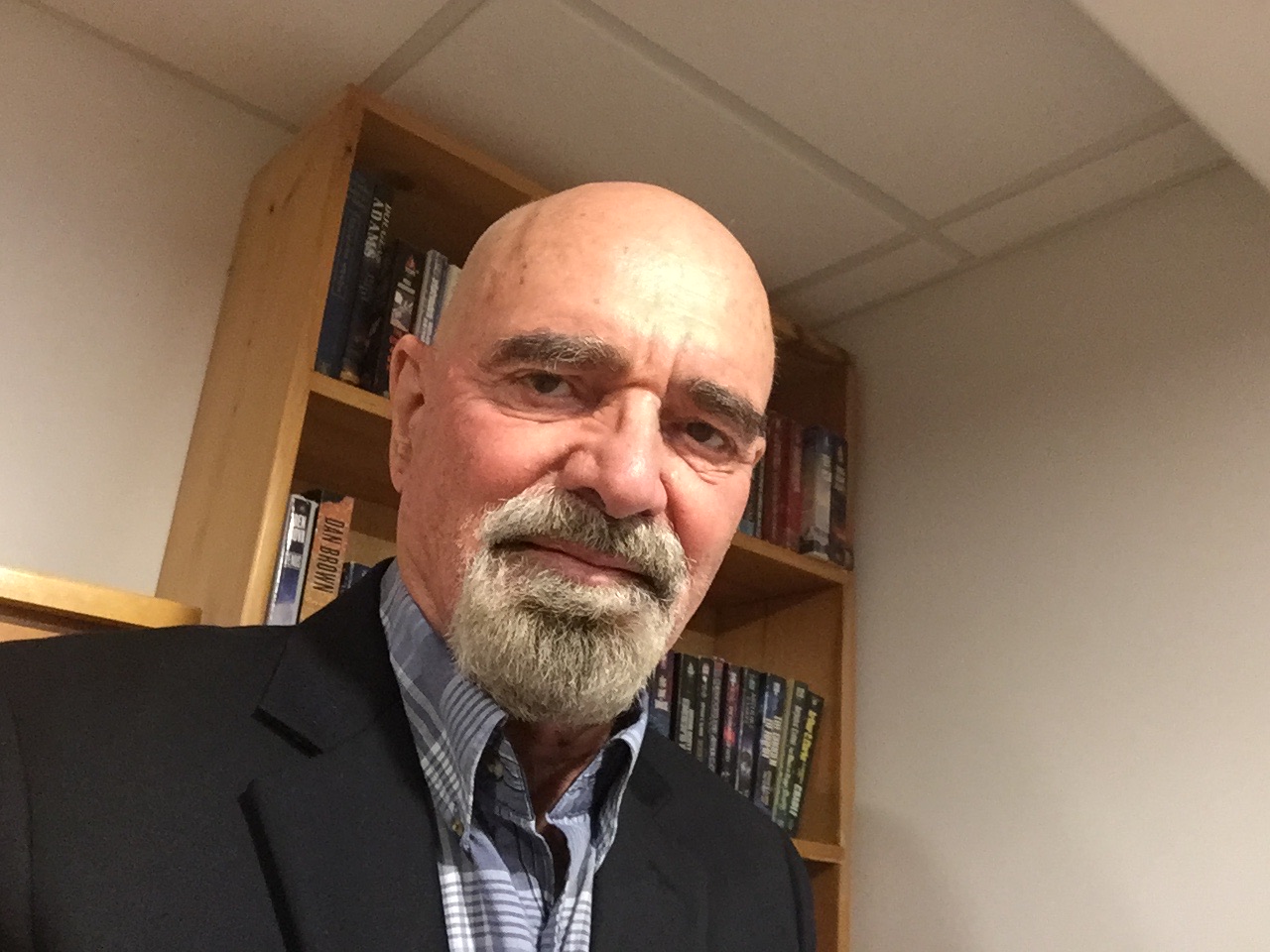
Glenn Rampton C.D., Ph.D. joined the RCAF as a pilot in 1961, eventually taking post-graduate training to become a military psychologist. He subsequently spent tours as a personnel research office, a professor at the Royal Military College of Canada, and as the Commanding Officer of the Canadian Forces Personnel Applied Research Unit prior to retiring as the Director of Personnel Applied Research and Senior Psychologist of the Canadian Armed Forces in National Defence Headquarters in 1983. After the diagnosis of his daughter Sherene with ASD at the age of three, in 1973, he became increasingly involved in the Community Living movement by serving on a number of committees and boards of directors, including serving as the President of the Ottawa-Carleton Association for Persons with Developmental Disabilities. Eventually, he began to feel he could accomplish more by working in this field full time, rather than as a volunteer, so accepted a position as the founding CEO of Community Living Algoma in 1993. In 2000 he became the CEO and Clinical Director of Kerry’s Place Autism Services, retiring in 2013. Since then most of his professional involvement has been conducting research on autism and other neurological conditions as an Adjunct Professor at York University, and then, more recently, at McMaster University. He is a Fellow of the Canadian Psychological Association and has numerous invited addresses and professional publications, with 7 works (including 5 books) in 330 library holdings worldwide.
John Seigner
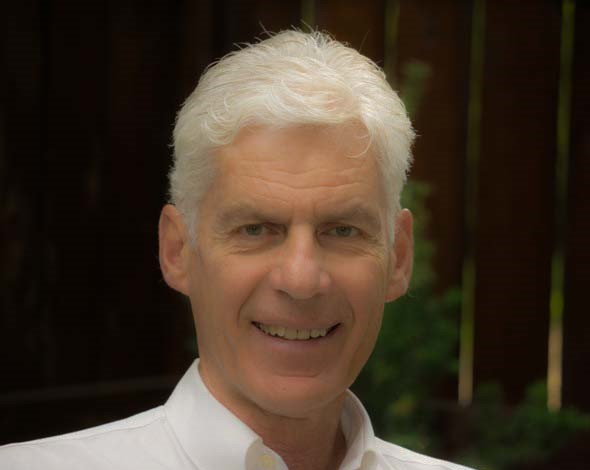
John Seigner joined the Sinneave Family Foundation in 2012 as a Resource Ambassador with special responsibility for Supported Housing and is now the Director of Supported Living. John was a business operator in Banff, Canmore, and Lake Louise for thirty years. He relocated to Calgary to get greater support for his severely autistic son Andrew who is still living at home, which goes to prove the adage that the cobbler’s children go shoeless.
Katie MacDonald, BA, BEd, MEd
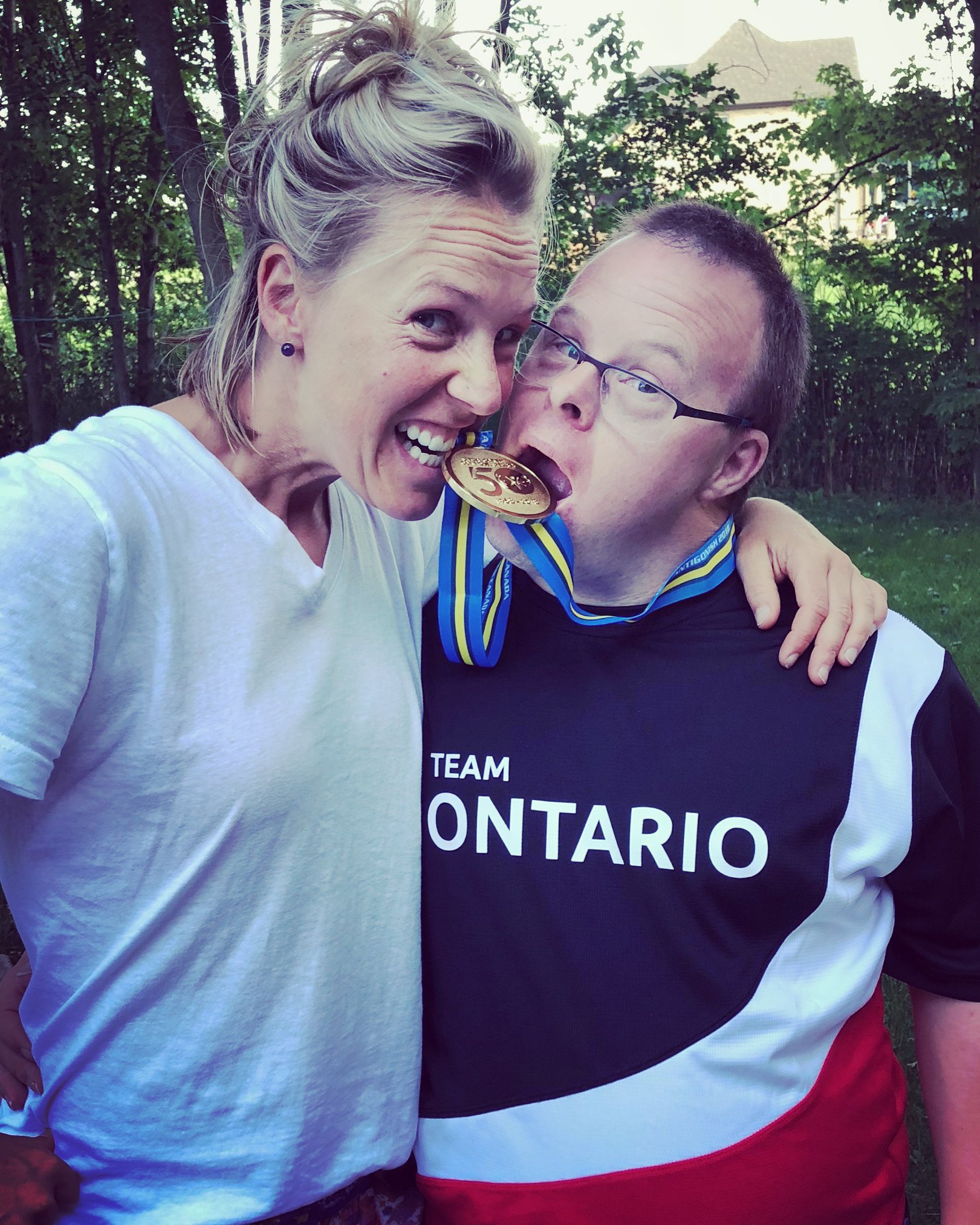
Katie and her brother Neil, live in Brantford, ON. They are 2 years apart in age and share much in common, including a competitive athletic spirit and a joy of cooking together. Katie is a caring and compassionate sister who has recently started the journey that is “planning for the future” alongside her parents and brother. A big piece of the planning puzzle has been exploring various living options that are available (or could be created!) and that would be a match for Neil’s lifestyle and goals.
Katie is a Facilitator for The Sibling Collaborative, which is a sibling-led initiative that unites and strengthens siblings by building networks of peer support. The Sibling Collaborative strives to deepen the understanding of the experience of siblings through research and advocate for positive change to the systems that affect not only our brothers and sisters but also us, our families and our communities.
Matt Freeman
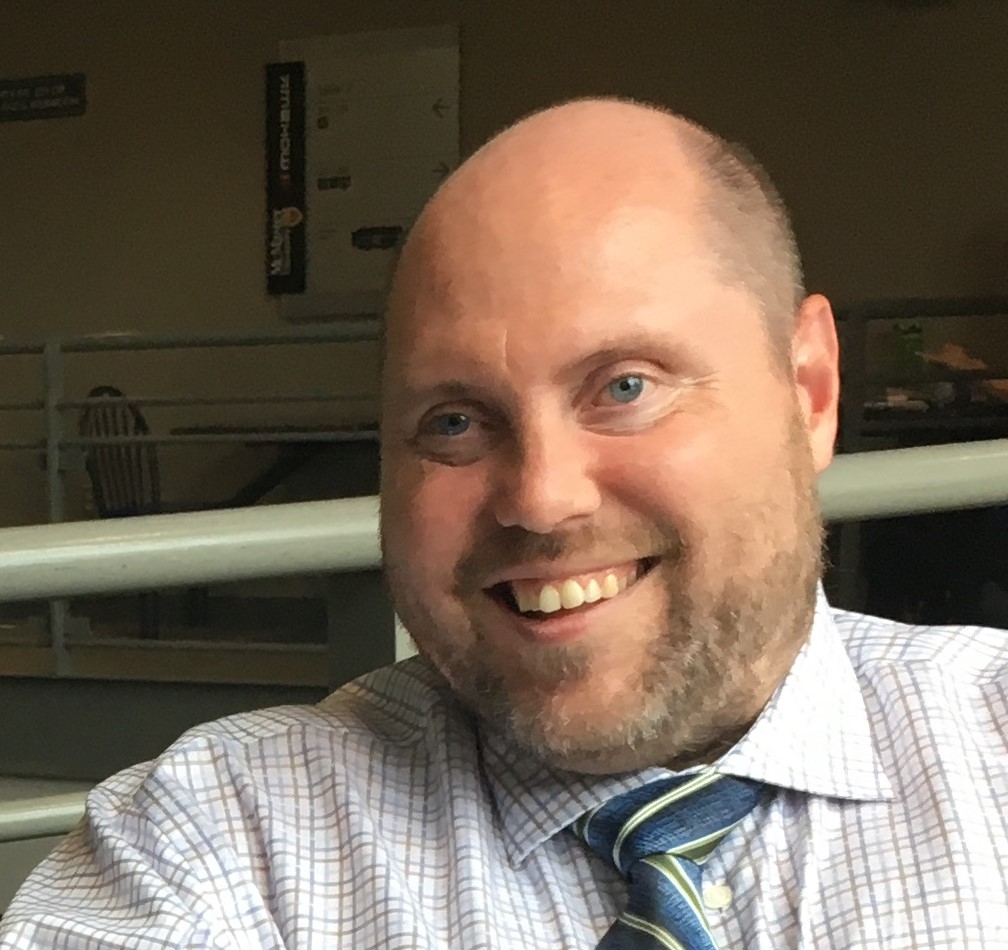
Matt Freeman, PhD, is currently a research assistant in the School of Rehabilitation Science at McMaster University and the CanChild Centre for Childhood Disability Research (www.canchild.ca). Matt’s research interests include exploring the information needs of youth living with disabilities and their families during the transition to adulthood, including housing. As part of this research, Matt has been interested in learning more about the experiences of those living with neurodevelopmental disabilities in housing settings. In addition to his “research experience”, Matt is a disabled person living with cerebral palsy.
Matthew Jason Dever
Matthew Dever (they/them) is an Autistic adult and parent of five children with three also on the autism spectrum, living in Carleton Place in rural Eastern Ontario. Matthew advocates with both provincial and federal governments for inclusion and acceptance of autistic individuals and for autistic people to have their own voice in policy decisions. Matthew is a former member of the Ontario Autism Program Advisory Panel, and a current member of the Ontario Autism Program Implementation Working Group.
Matthew is founder of Autistic Bridge, an autistic-led self-advocacy group, and a leader in the National Disability Strategy movement to build a nationwide coalition of disability organizations to advocate for meeting all needs of all disabilities at all ages. They are also a member of the Canadian Autism Spectrum Disorder Alliance (CASDA), where they are helping with aspects of developing a National Autism Strategy as well as speaking at the annual CASDA Summit.
Matthew has also led workshops and panels on topics surrounding autism and education. They have spoken about autism with many groups including ECHO Autism Ontario, which works to educate and inform health professionals on issues related to autism. They have recently joined the ECHO Autism Ontario Expert Hub Team.